
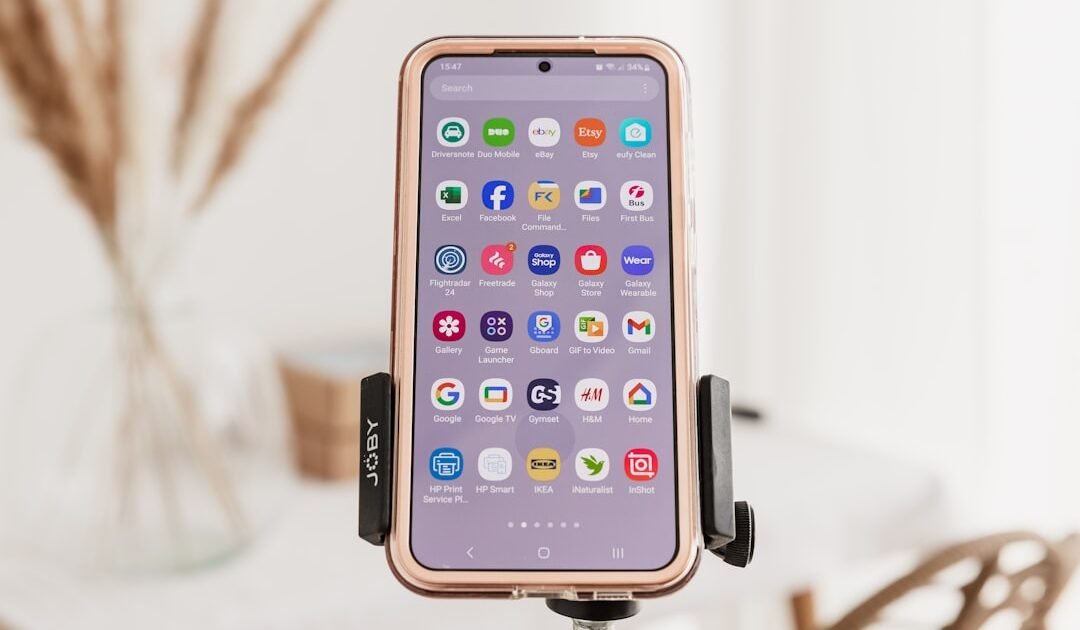
In today’s digital age, it’s hard to imagine a life without mobile apps. From waking up to the sound of our alarm clock app to falling asleep while scrolling through social media, mobile apps have become an integral part of our daily routines. With over 5 million mobile apps available across various app stores, the possibilities are endless. But have you ever stopped to think about the impact mobile apps have on our lives? In this blog post, we’ll delve into the world of mobile apps, exploring their benefits, types, development process, and future trends.
The Benefits of Mobile Apps
Mobile apps have revolutionized the way we live, work, and communicate. They offer a wide range of benefits, from convenience and accessibility to entertainment and education. With mobile apps, we can:
- Stay connected with friends and family through social media apps like Facebook, Instagram, and WhatsApp
- Access a vast array of information and knowledge through educational apps like Duolingo, Coursera, and TED
- Manage our finances and track our expenses through mobile banking apps like PayPal, Mint, and Personal Capital
- Improve our physical and mental health through fitness and wellness apps like MyFitnessPal, Headspace, and Calm
- Enhance our productivity and organization through task management apps like Trello, Evernote, and Todoist
- Native apps: Developed specifically for a particular mobile operating system, such as iOS or Android, native apps offer fast and seamless performance.
- Hybrid apps: Combining elements of native and web apps, hybrid apps provide a cost-effective solution for businesses and individuals.
- Web apps: Accessible through a web browser, web apps are platform-independent and can be used on any device with an internet connection.
- Gaming apps: Designed for entertainment, gaming apps offer a wide range of genres and styles, from puzzle and strategy games to action and adventure games.
- Productivity apps: Helping us manage our time, tasks, and resources, productivity apps are essential for professionals and individuals alike.
- Artificial intelligence and machine learning: Integrating AI and ML into mobile apps to enhance user experience, personalize content, and improve performance.
- Internet of Things (IoT) integration: Connecting mobile apps to IoT devices, enabling seamless communication and control.
- Augmented reality (AR) and virtual reality (VR): Creating immersive and interactive experiences through AR and VR technologies.
- 5G networks and edge computing: Leveraging 5G networks and edge computing to enable faster data processing, lower latency, and improved app performance.
- Mobile apps offer a wide range of benefits, from convenience and accessibility to entertainment and education.
- Understanding the different types of mobile apps, including native, hybrid, web, gaming, and productivity apps, is essential for businesses and individuals.
- Developing a mobile app requires a clear concept, a suitable development platform, a well-designed user interface, a robust backend, and thorough testing.
- Future trends in mobile app development, such as AI, IoT, AR, VR, 5G networks, and edge computing, will shape the future of the mobile app landscape.
The benefits of mobile apps are undeniable. They have made our lives easier, more convenient, and more enjoyable. But what types of mobile apps are available, and how are they developed?
Types of Mobile Apps
Mobile apps can be broadly categorized into several types, including:
Each type of mobile app has its unique characteristics, advantages, and disadvantages. Understanding these differences is crucial for businesses and individuals looking to develop their own mobile apps.
Mobile App Development: A Step-by-Step Guide
Developing a mobile app can be a complex and challenging process. However, with a clear understanding of the steps involved, you can create a successful and engaging mobile app. Here’s a step-by-step guide to mobile app development:
1. Define your concept and goals: Identify your target audience, determine your app’s purpose and features, and set clear objectives.
2. Choose a development platform: Select a suitable development platform, such as React Native, Flutter, or native iOS and Android.
3. Design your app’s user interface: Create a visually appealing and user-friendly interface, considering factors like navigation, layout, and typography.
4. Develop your app’s backend: Build a robust and secure backend, integrating features like databases, APIs, and server-side logic.
5. Test and iterate: Conduct thorough testing, gather feedback, and iterate on your app to ensure a smooth and enjoyable user experience.
By following these steps, you can create a high-quality mobile app that meets your users’ needs and exceeds their expectations.
Future Trends in Mobile App Development
The mobile app landscape is constantly evolving, with new trends and technologies emerging every year. Some of the future trends in mobile app development include:
These trends will shape the future of mobile app development, offering new opportunities for innovation, growth, and engagement.
In conclusion, mobile apps have transformed the way we live, work, and interact with each other. With their numerous benefits, diverse types, and complex development process, mobile apps are an essential part of our daily lives. As we look to the future, it’s exciting to think about the new trends and technologies that will emerge, further revolutionizing the mobile app landscape. Whether you’re a business, individual, or developer, understanding the power of mobile apps is crucial for success in today’s digital age. So, what are you waiting for? Dive into the world of mobile apps and discover the endless possibilities they have to offer. Key takeaways:
Leave a Reply